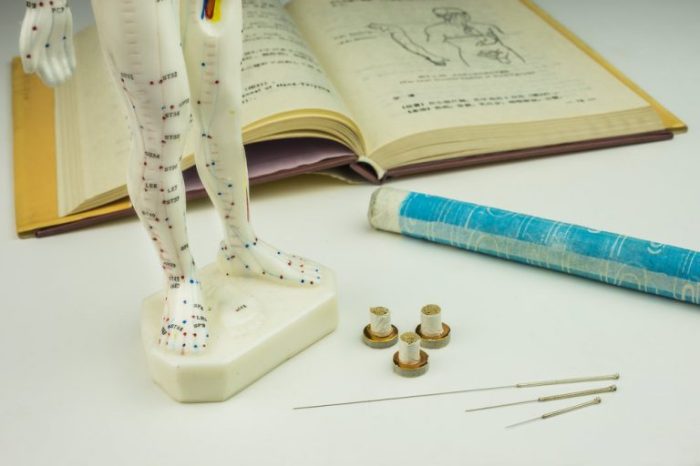
Step right up, folks! Are you ready to dive into the fascinating world of Traditional Chinese acupuncture? Forget your average needle in a haystack; this is a magical journey where tiny pokes lead to big health benefits! From ancient origins steeped in mystique to modern-day applications that tackle ailments from stress to acne, acupuncture is like yoga for your insides—stretching out those pesky energy blockages one needle at a time!
With roots that trace back thousands of years, Traditional Chinese acupuncture isn’t just about sticking needles in random places; it’s a holistic approach grounded in the belief that our bodies have a natural flow of energy, or ‘Qi.’ By tapping into this flow, practitioners aim to balance our physical and mental health. With various techniques and styles, there’s an entire universe of points to explore, much like a cosmic treasure hunt—only the treasures are your well-being and happiness!
Overview of Traditional Chinese Acupuncture

Ah, the ancient art of Traditional Chinese Acupuncture! A practice so old, it makes your great-grandparents look like toddlers. With roots stretching back over 2,500 years, acupuncture has been pricking its way into the hearts (and bodies) of people worldwide, offering more than just relief from aches and pains. Let’s dive into this fascinating world and explore its history, theories, and the delightful array of techniques that make acupuncture the needle-wielding sensation it is today.The origins of Traditional Chinese Acupuncture can be traced back to ancient China, where practitioners used sharp stones and later metallic needles to stimulate points on the body.
The belief was that the body was governed by a life force known as “Qi” (pronounced “chee”), which flows along pathways called meridians. When Qi is balanced, health flourishes. However, when it stagnates or flows erratically, that’s when your back starts singing the blues. Fast forward a few millennia, and acupuncture now finds itself embraced by millions as a holistic approach to health, blending seamlessly with modern medicine, like peanut butter and jelly.
Fundamental Principles and Theories Behind Acupuncture
Understanding the principles of acupuncture is like deciphering the secrets of a magician; it’s all about balance and energy flow. At the core of acupuncture are two key elements: Yin and Yang, representing opposite forces that are interconnected and interdependent. The harmony between these forces is essential for maintaining health. When they’re out of whack, our bodies can start to feel like a badly tuned piano.
Another crucial concept is the Qi, the life energy that flows through the meridians. Acupuncturists believe that by inserting needles into specific points along these meridians, they can unblock or redirect Qi, promoting healing and restoring balance.
“Qi is the vital energy that sustains our bodies and is essential for good health.”
To fully grasp the magic of acupuncture, it’s essential to become familiar with its various styles and techniques. Each technique has its distinct flair, much like a variety of dance moves at a wedding reception. Here are a few notable styles:
Different Styles and Techniques Used in Traditional Chinese Acupuncture
The world of acupuncture is as diverse as a box of chocolates. Each style and technique has its unique philosophy and application. Here’s a glimpse into some of the more prominent styles:
- TCM Acupuncture: Traditional Chinese Medicine (TCM) acupuncture is the most commonly practiced style, focusing on the holistic treatment of the body as a whole.
- Five Element Acupuncture: This method emphasizes the balance of the five elements—Wood, Fire, Earth, Metal, and Water—connecting physical ailments to emotional states.
- Japanese Acupuncture: Known for its gentle approach, Japanese acupuncture often uses thinner needles and emphasizes palpation to guide treatment, making it as soothing as a lullaby.
- Electro-Acupuncture: This modern twist incorporates low-frequency electrical currents to enhance the effects of traditional acupuncture, like giving it a turbo boost.
- Auricular Acupuncture: This technique focuses on the ear as a microsystem, treating various conditions by stimulating ear points, making your earlobes the stars of the show.
While each technique may have its unique flair, they all share a common goal: to restore balance, alleviate pain, and revitalize the spirit. Acupuncture isn’t just about poking needles; it’s an intricate dance of energy that, when performed well, can lead to profound healing. So the next time you see your acupuncturist wielding those needles, just remember—they’re not just playing with sharp objects; they’re orchestrating a symphony of wellness and harmony.
Health Benefits of Traditional Chinese Acupuncture
Acupuncture is not just about needles and mystique; it’s like yoga’s wise, older sibling who also happens to have a PhD in health benefits. This ancient practice can unleash a treasure trove of positive effects on your health and fitness, while also tackling pesky issues like anxiety, acne, allergies, and even the natural aging process. So, buckle up as we embark on this acupuncture adventure!
Effects of Acupuncture on Health and Fitness
Acupuncture serves as a holistic approach to enhancing overall health and fitness by stimulating specific points on the body. It’s like giving your body a gentle nudge to help it perform at its best. The benefits can be manifold:
- Promotes relaxation and reduces muscle tension, making it an excellent companion for post-workout recovery.
- Enhances circulation, allowing oxygen and nutrients to reach your muscles more efficiently—even those stubborn ones that hide behind the couch!
- Boosts energy levels by regulating the body’s chi, leaving you feeling like you just downed a triple espresso (without the jitters).
- Supports weight management by curbing cravings and improving metabolism, helping you resist the siren call of that extra slice of cake.
Acupuncture and Anxiety Management
In the rollercoaster ride of life, anxiety can be an unwelcome passenger. Fear not! Acupuncture can help pacify those jitters with its calming vibes. Here’s how it works:
- Stimulates the release of endorphins, your body’s natural feel-good hormones, making you feel like you just won the emotional lottery.
- Reduces stress hormones, such as cortisol, which can often feel like that annoying relative who never leaves the party.
- Restores emotional balance, allowing you to handle daily stressors with the grace of a zen master. Om.
Acupuncture and Acne Treatment
Dealing with acne can feel like facing down a dragon, and acupuncture might just be the knight in shining armor you didn’t know you needed. This ancient technique can contribute to clearer skin by:
- Regulating hormone levels, which can be a significant factor in acne flare-ups—goodbye, hormonal havoc!
- Reducing inflammation, so your skin can chill and not act out like a teenager.
- Improving overall complexion by enhancing circulation and encouraging your skin to glow like a freshly polished apple.
Acupuncture and Allergies
For those who suffer from allergies, acupuncture offers a breath of fresh air—quite literally! It can help alleviate symptoms by:
- Modulating the immune response, so you don’t find yourself sneezing at your grandmother’s cat (sorry, Fluffy!).
- Alleviating nasal congestion and sinus pressure, allowing you to breathe freely like a bird soaring through the skies.
- Reducing inflammation and irritation, turning down the volume on your body’s allergy alarm system.
Acupuncture in Anti-Aging Therapies
With age comes wisdom, but it doesn’t have to come with fine lines and wrinkles! Acupuncture can be a key player in the anti-aging game by:
- Promoting collagen production, so your skin can stay plump and youthful, almost like magic (but with needles!).
- Enhancing blood flow to the skin, giving you that vibrant, just-had-a-massage glow.
- Balancing bodily functions, which means your insides feel as fresh as a daisy, reflecting on your exterior.
Acupuncture in Relation to Other Health Practices
When it comes to alternative therapies, Traditional Chinese Acupuncture (TCA) stands tall, often accompanied by a colorful cast of wellness characters like aromatherapy and aerobic cardio exercises. It’s like a health-conscious reality show where each contestant brings their unique flair, yet all share the common goal of keeping you sprightly and spry. Let’s dive into the ways these wellness practices interact, with humor and a pinch of wisdom!
Comparison with Aromatherapy
Aromatherapy is like the soothing balm to the needle’s sharp embrace. While TCA takes a more hands-on approach with needles, aromatherapy relies on essential oils wafting through the air like a magical potion. Both practices aim to harmonize the body’s energy and promote wellness, but they do so in distinctly different ways.
- Technique: Acupuncture involves precise needle placements to stimulate energy points, whereas aromatherapy offers a sensory experience through delightful scents, making it perfect for those who prefer a less prickly approach.
- Focus: Acupuncture targets specific health issues such as pain relief and stress reduction, while aromatherapy is often used to enhance mood and relaxation.
- Integration: The dynamic duo can work well together! Picture this: you finish an acupuncture session and are enveloped in the calming aroma of lavender oil. It’s like a spa day without the hefty price tag!
Integration with Aerobic Cardio Exercises
Acupuncture and aerobic cardio exercises may seem like an odd couple, but they can complement each other beautifully. Think of acupuncture as the supportive best friend who cheers you on while you sweat it out during that high-energy Zumba class.
- Injury Prevention: Acupuncture can help alleviate muscle pain and tension, which means you can go all out on the treadmill without worrying about pulling a hamstring.
- Recovery Aid: Post-exercise, acupuncture can help speed up recovery time. It’s like having a personal assistant for your muscles, ensuring they bounce back faster than you can say “sore abs.”
- Enhanced Performance: By promoting better blood circulation and reducing fatigue, acupuncture may help improve your aerobic performance. You might just find yourself outrunning that pesky motivational playlist!
Effectiveness in Treating Arthritis
Arthritis can feel like a relentless foe, but acupuncture has entered the ring with a powerful punch. Studies have shown that acupuncture can significantly reduce arthritis pain and improve joint function, often leaving patients with a sense of relief that resembles the blissful post-yoga high.
“Acupuncture offers a way to manage arthritis pain without the side effects of traditional medications, making it a worthy contender in the battle against chronic discomfort.”
- Pain Relief: By stimulating specific points, acupuncture can help reduce inflammation and alleviate pain associated with arthritis, allowing for more comfortable movement.
- Improved Functionality: Regular acupuncture sessions can lead to improved joint mobility and better overall function, making daily activities much less of a chore.
- Holistic Approach: TCA doesn’t just treat symptoms; it seeks to address the root causes of arthritis, promoting long-term well-being.
Combining Acupuncture with Other Alternative Health Practices
The beauty of acupuncture lies in its versatility and ability to harmonize with other alternative health practices, creating a holistic wellness cocktail that can leave you feeling rejuvenated.
- Yoga: The combination of acupuncture and yoga can enhance flexibility and balance, while also promoting relaxation. Imagine doing downward dog post-acupuncture; your body will thank you!
- Massage Therapy: When acupuncture and massage join forces, they’re like the dynamic duo of relaxation, targeting tension and stress from multiple angles.
- Nutrition: Pairing acupuncture with a tailored nutritional plan can boost your energy and enhance the overall benefits of both practices, turning you into a health superhero!
Summary
As we wrap up our exploration of Traditional Chinese acupuncture, it’s clear that this ancient practice remains a beloved ally in the quest for health and harmony. Whether you’re seeking relief from chronic pain, anxiety, or even the occasional breakout, these tiny needles pack a surprisingly mighty punch! So, if you’re feeling a bit out of whack, why not let a skilled acupuncturist guide you on a needle-powered journey to wellness?
After all, who doesn’t want to feel like a well-tuned instrument in the symphony of life?
Helpful Answers
Is acupuncture painful?
Surprisingly, most people feel little to no pain at all! The needles are super thin and often just cause a tiny pinch.
How many sessions do I need?
It varies! Some folks feel great after one session, while others might need several to really feel the magic.
Can I combine acupuncture with other treatments?
Absolutely! Acupuncture plays nicely with other therapies, like massage or chiropractic care, to boost overall benefits.
Is acupuncture safe?
When done by a qualified practitioner, acupuncture is very safe! Just make sure your acupuncturist is licensed!
What should I expect during my first visit?
Your first visit will likely include a thorough consultation, where your acupuncturist will play detective and get to know your health history—so bring your best stories!


